The success of bariatric surgery requires the absolute adherence to the nutritional guidelines that your doctor or dietitian will recommend, these rules will gradually help you to achieve your goal that is to change your life in a healthier way. The caloric requirements of the patient will depend on the stage at which they are and their energy balance during the day, even so the patient must focus primarily on high-protein foods. It is important to have a daily nutritional guide, especially for the protein needs of the patient, which must be selected in the most adequate form in order to prevent serious nutritional deficiencies, often mistaken as attributed deficiencies of other nutrients.
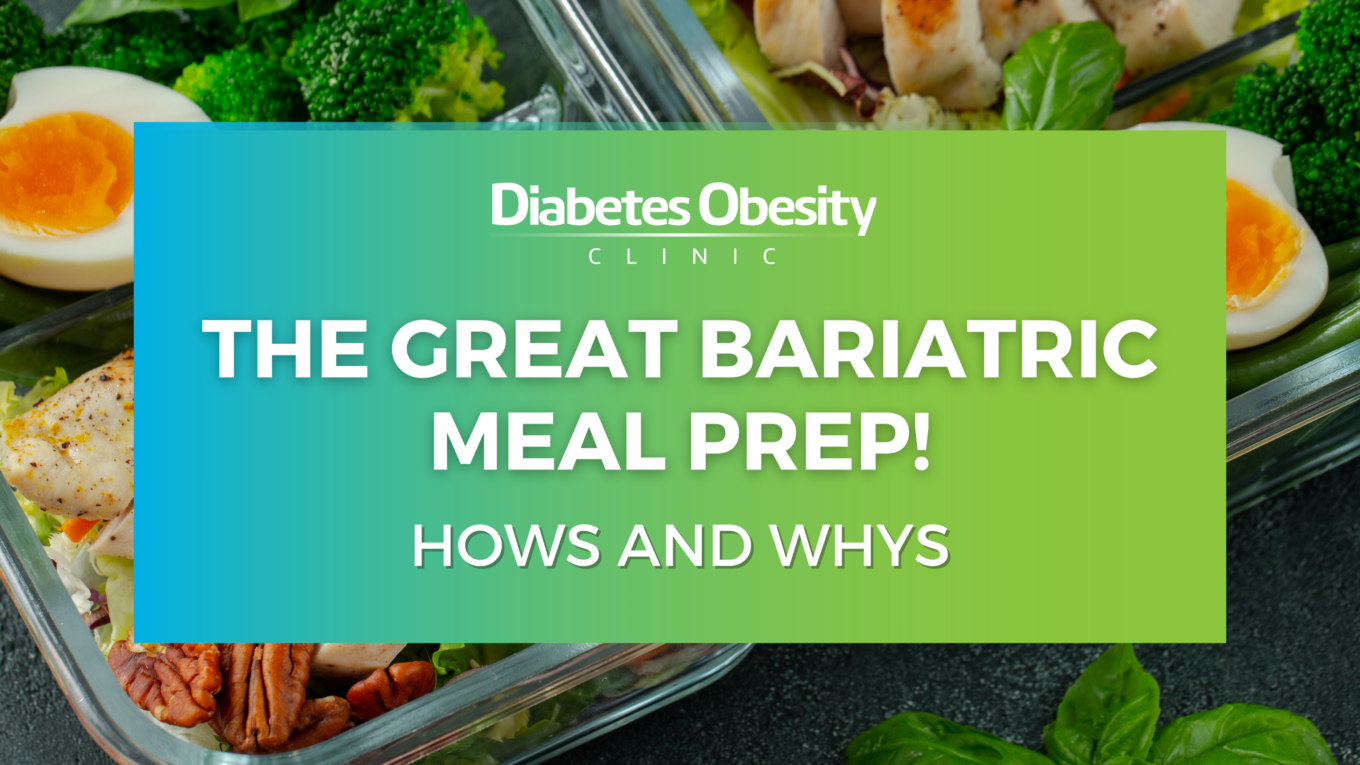
Lastly, your lifestyle change is to be incorporated into your treatment, thus preventing the new weight gain and the implications that this entails. The main purpose of the Preoperative Nutritional Guideline is the reduction of fatty liver as well as abdominal fat, in order to possibly decrease surgical operating time and to promote a healthier weight loss. The diet will be made of low glycemic index complex carbohydrates, low on fats, and high on proteins. Protein is the most important nutrient for the bariatric patient, any kind of impairment (negligent, medical issue, self-purpose) to achieve the adequate intake of protein will cause malnutrition and will increase the risk of disease. Committing to bariatric surgery requires that you’ll prepare ahead of time by eating a healthy diet and ensuring adequate levels of physical activity. Pre-surgery diet changes are needed to help you lose a percentage of your excess body weight prior to surgery and to have better eating habits to help you lose weight after the surgery and help you keep the weight off after surgery. Following the nutritional recommendations may help you demonstrate that you are able to make a commitment to the changes you will need to continue to follow lifelong lifestyle.